
Olga Rakhmatulina
Luxury stone consultant | Elite Stone Group | Founder, Olga Marble | Charme Ston
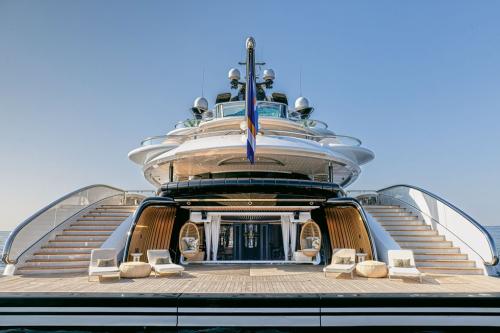
In most projects, natural stone is selected based on appearance: color, veining, finish. In marine environments, this approach does not work, because on a yacht or a cruise ship, stone is not just a surface, It becomes part of a moving structure.
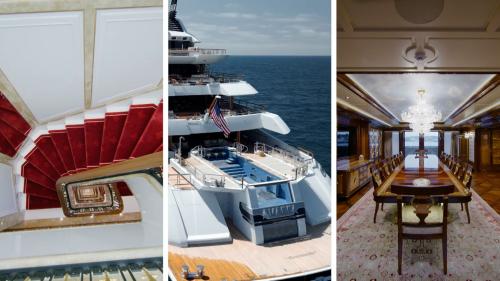
The Misunderstanding
Many suppliers approach yacht projects the same way they approach residential or hospitality work; they present slabs, they discuss aesthetics, they focus on availability. But in marine design, the key questions are different:
Where will the material be installed?
How will it behave under movement?
What system will support it?
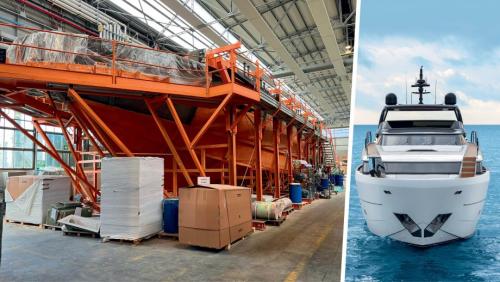
Marine Environment: A Different Reality
Natural stone in yachts and cruise ships is exposed to conditions that significantly impact performance:
- constant vibration and structural movement
- salt exposure and humidity
- UV radiation
- temperature fluctuations
- high traffic in certain areas
This environment requires a completely different level of specification.
Thickness and Weight: Critical Parameters
In marine projects, weight is not a secondary factor, it is a limitation. Standard solutions involve:
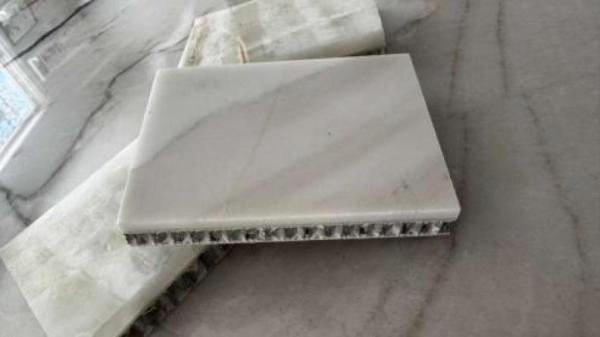
- stone thickness reduced to 3–5 mm
- bonding to aluminum honeycomb panels
- total system thickness typically between 15–25 mm
This approach reduces weight while maintaining the visual effect of natural stone. However, it also introduces technical risks if not properly executed.
Composite Panel Systems
Natural stone is rarely used as a solid slab in yachts, instead, it becomes part of a composite system:
- stone veneer
- bonding layer
- aluminum honeycomb core
- backing support
Each layer must be engineered and tested. Failure in any part of the system leads to failure of the entire installation.
.jpeg)
Installation Is Not Decoration
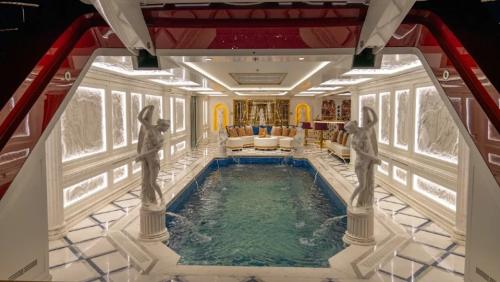
Installation in marine environments requires flexibility and precision. It includes:
- mechanical fixing systems
- tolerance for structural movement
- modular panel design
- coordination between fabrication and installation teams
Incorrect installation often leads to issues within months: cracking, detachment, or visible deformation.
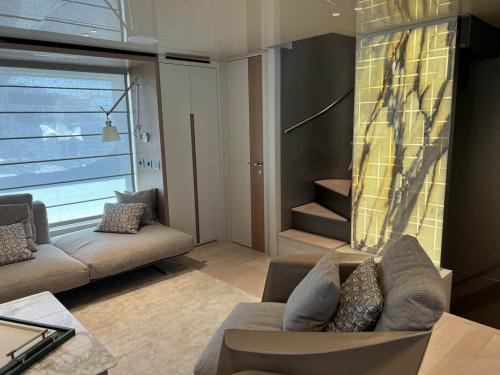
The Complexity of Backlit Stone
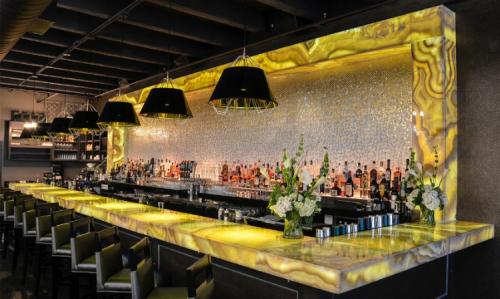
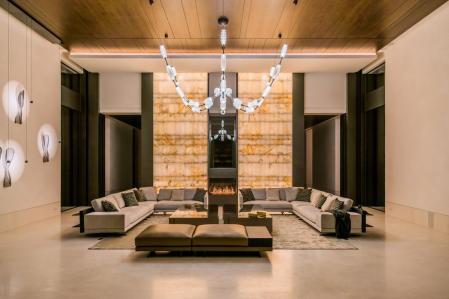
Materials such as onyx are widely used for their translucency. However, backlit applications require:
- consistent thickness
- controlled light distribution
- thermal management
Without this, the result is unstable both visually and structurally.
Where Projects Go Wrong
The most common issue is not material quality. It is incorrect decision-making at the early stage. Typical mistakes include:
- selecting stone based only on samples
- ignoring system requirements
- lack of coordination between stakeholders
- treating stone as a decorative element instead of a technical component
A Different Approach
After more than two decades working with natural stone in complex projects, one thing is clear: the success of a project is determined before the material is even selected.
Understanding how stone will perform — not just how it looks — is what defines the outcome.
Conclusion
Natural stone in marine projects requires a shift in mindset.
From selection to specification.
From aesthetics to performance.
From product to system.
Because in this environment, stone does not fail on its own. Decisions do.
